Get Started
Accelerating Knowledge Sharing
Go Deeper
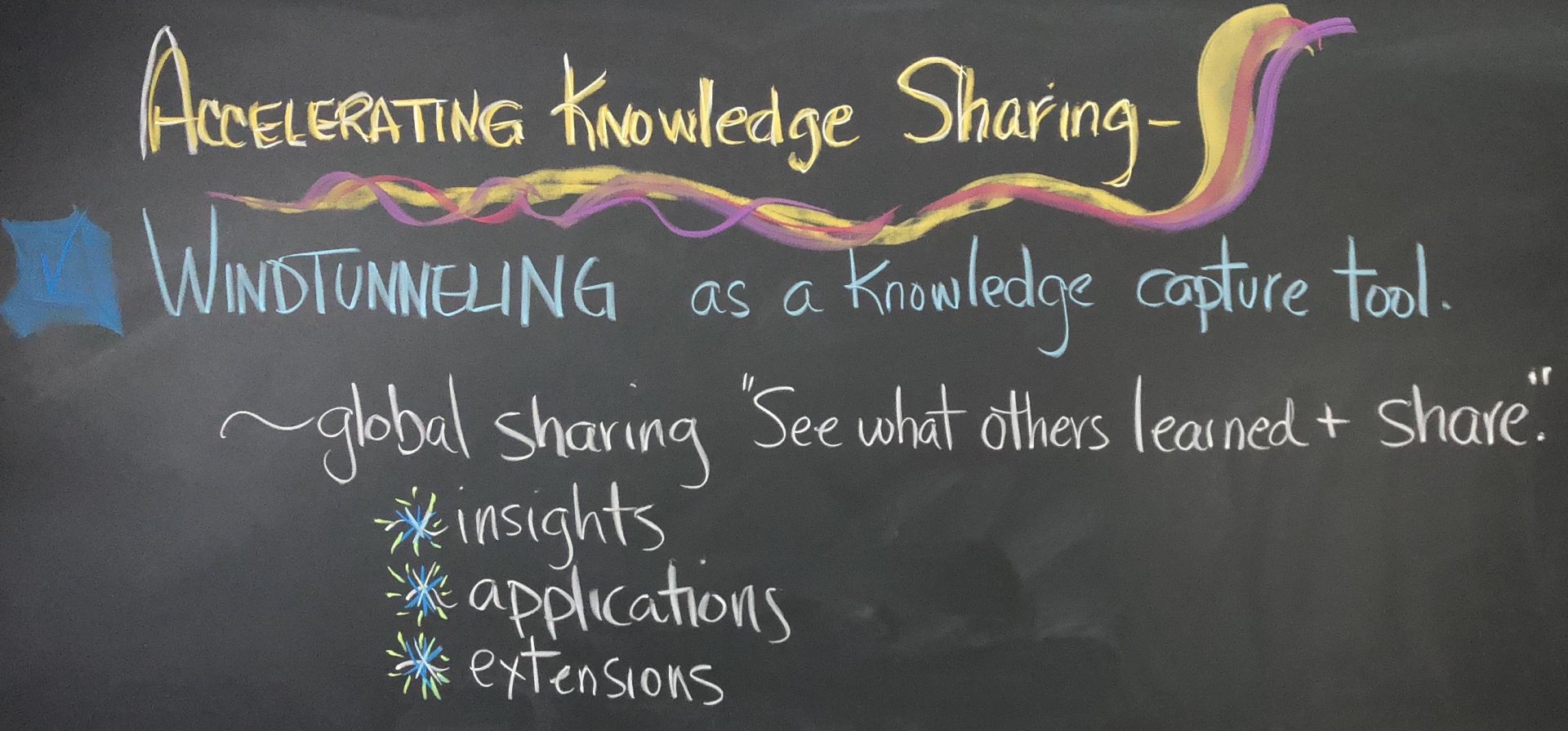
WindTunneling is a principled knowledge capture tool that lets any group probe
their collective intelligence on any complex issue. One of the key attributes in the tool’s design is Anonymity, which promotes Candor. The other key attribute is that everyone can see all of the responses, which promotes Transparency and by extension, trust in the outcomes of the knowledge gathering insights.
WindTunneling is a facilitated process rooted in systems thinking (Focus on Relationships) and Systemic Principles and Practices that helps groups use experiential learning to make sense of complex issues.
Explore Systemic Practices to Tap Experiential Learning and Knowledge Lab
The essential output of a WindTunneling process is a rich picture of a group’s understanding. From this rich picture, people discover insights and observe patterns that lead to novel ways to improve a condition caused by the complex issue.
Continue exploring these ideas in:

Experiential learning is all of the learning we assemble through the lives we lead. It includes formal and informal education and the tens of thousands of novel experiences we encounter every day of our lives.
Studying complexity reveals that collective knowledge, the wisdom of a crowd, will always provide a more robust understanding of a complex issue than a dataset generated by any single discipline or expert.
A complex issue exceeds the capacity for any one person to have full knowledge or understanding. Everyone knows something. Synthesizing the wisdom of a crowd reveals patterns and insights through the process of emergence.
Navigating complex issues requires moving from reductionism to holism in our approach to sensemaking.
Continue exploring these ideas in:
Comparing Complex Issues with Other Issues Lab
Systemic Principles
There are 13 Systemic Principles and Practices that serve as the basis for Navigating Complex Issues Arena Labs, the WindTunneling facilitation process, and online tool. These principles, practices and WindTunneling were developed by Australian Systemics Pioneer Bruce McKenzie and Jane Lorand. The nature of complex issues requires an approach to thinking and overall organizational culture that is very different than what many people would recognize as business-as-usual problem solving and hierarchical management structure.
The following Labs explore Systemic Principles and Practices:
The Big Switch for Complex Issues Lab
Systemic Practices to Tap Experiential Learning and Knowledge Lab
Systemic Implications for Management Lab
Systemic and Default Organizational Practices Lab
The Logic and Conditions for Tapping Experiential Learning Lab
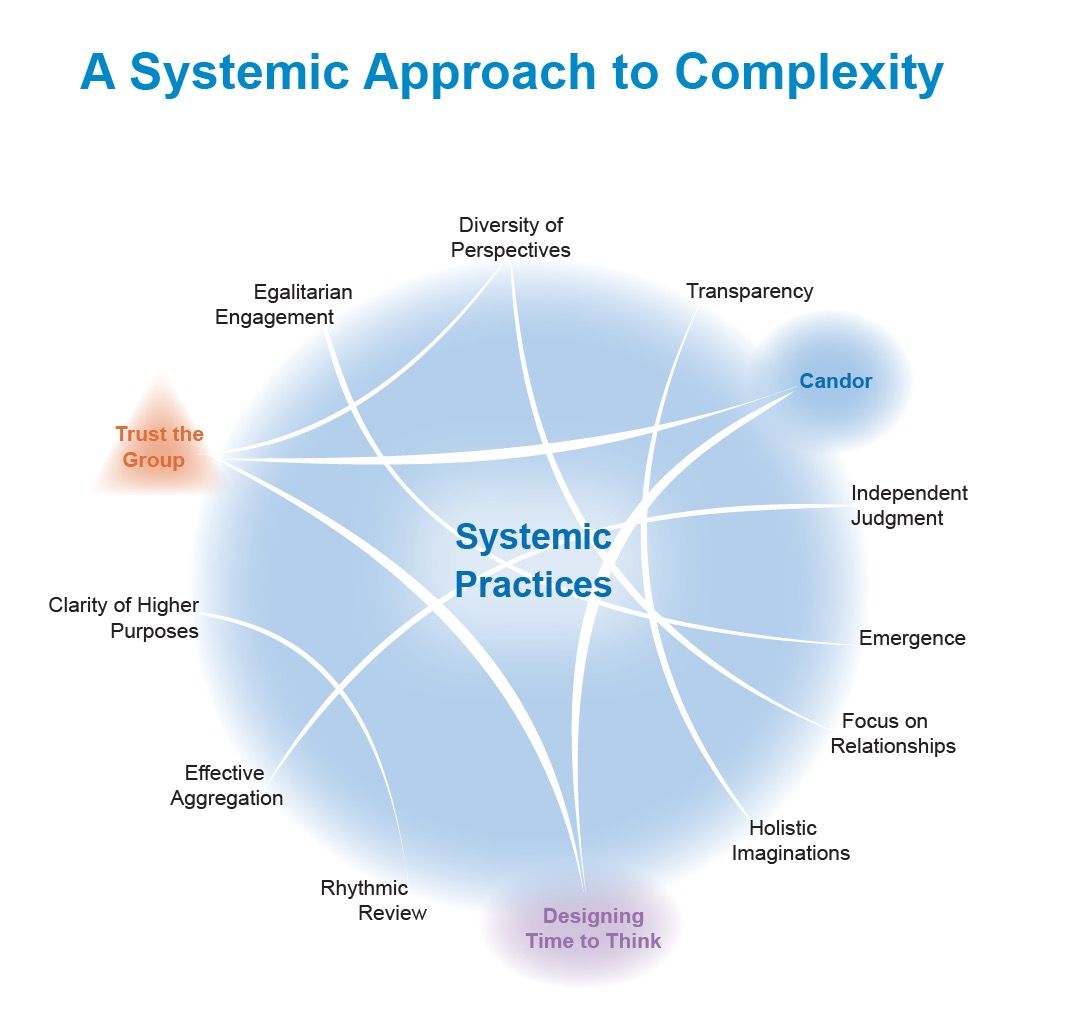
Transparency and Anonymity (Candor)
Transparency as a Principle
For a group to get the greatest benefit from aggregating collective intelligence, open transparent access to all ideas generated in a WindTunnel is essential.
Transparency by design builds trust among participants. Strengthening trust in any organization is the foundation for cultivating system capacity.
Explore trust-building in Capacity of Our System Lab.
Transparency supports creativity and imaginative insights. Reading other people’s ideas stimulates new ways of thinking that arises organically from having access to Diversity of Perspectives.
Explore Diversity of Perspectives Lab
Anonymity as a Principle
Anonymity promotes candor. The presence of candor ensures that participants can share their thoughts free from group think or politics. Anonymity creates a safe space to share thoughts, observations, feelings, knowledge, and concerns.
This is important in order to get a fully rich picture of an issue. Candid diversity of perspectives is essential for effective systemic work.
The WindTunneling design organically shifts participant attention away from who owns an idea to what is the possibility of an idea. This promotes Egalitarian Engagement. This shift frees creative energy and helps people focus on the relationship of the ideas.
WindTunneling:
Collaborative Thinking to Navigate Complex Issues
WindTunneling Features
This is a robust thinking tool set that can be adapted to a variety of contexts based on the needs of the group and complex issue.
Generating Ideas
Use this tool to brainstorm or ideate focused on a group perspective (crowd wisdom) rather than individual insights.
Assessing Ideas
Use this tool to compare opportunities and develop a strategy that inclusively engages all stakeholders.
Integrating Ideas
Use this futuring tool to think about opportunities and resources across different time horizons.
Emerging Ideas
Use this tool to imagine into different scenarios to develop systematic insights about an a complex issue.
WindTunneling.com
WindTunneling Account
The first time you go to the WindTunneling website, you will be asked to create an account. Once you have an account, you will use the Project Code included in the Lab ebook.
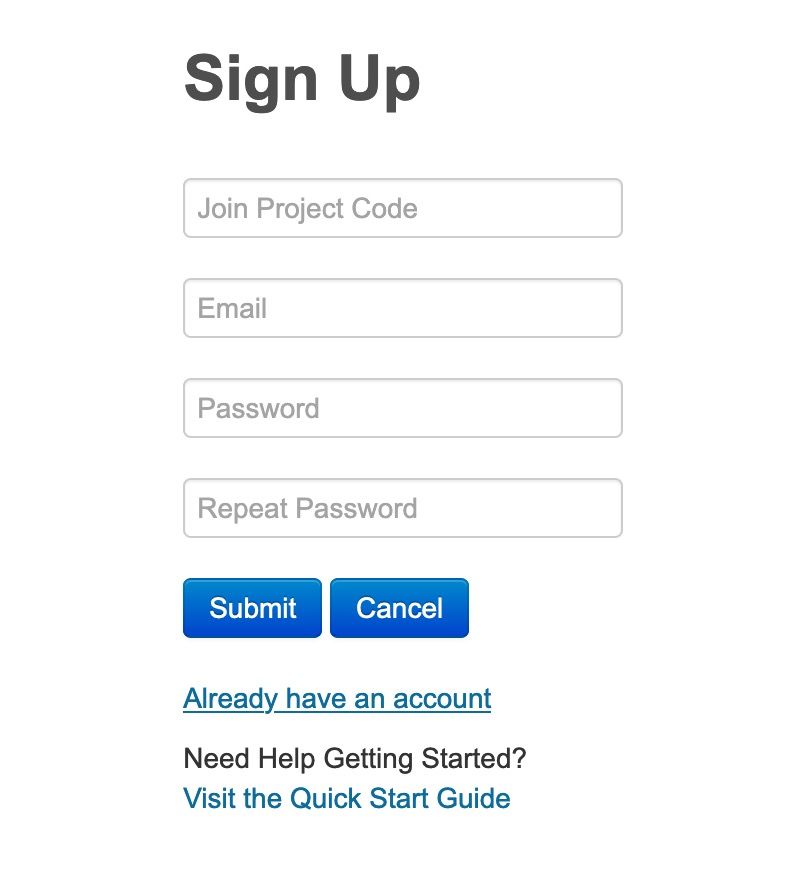
Account Set-Up
1) Go to ctl.windtunneling.com
2) Select Create an Account.
3) Enter a Project Code, email, and secure account password.
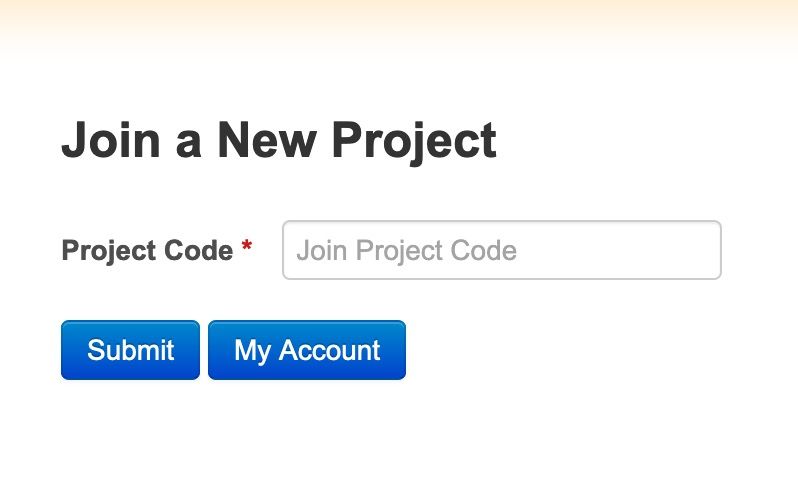
Join a New Project
1) Go to ctl.windtunneling.com (you will be directed here automatically from the link located in Lab ebook Activity 1).
2) Select Join a New Project (located in the top menu bar).
3) Enter the Project Code.
4) From your Participant Dashboard, click on the link to access the WindTunnel.
Access WindTunneling Projects in the Lab Ebooks
Self-Education Go Deeper Activity 1 is an online WindTunneling Project designed to specifically explore that Lab.
It is set up as a Synthesis Practice. Instructions for this practice are provided in Experiential Learning Basics. This tool lets you explore ideas in the Lab with others. Everyone participates anonymously in a collaborative Synthesis space with peers.
From this activity, there is a hyperlink to take you directly to the WindTunneling project. The project code is included with the link.

Project Navigation
Projects for Catalytic Thinking Labs are set up identically.
Get Started provides an overview for the Lab project.
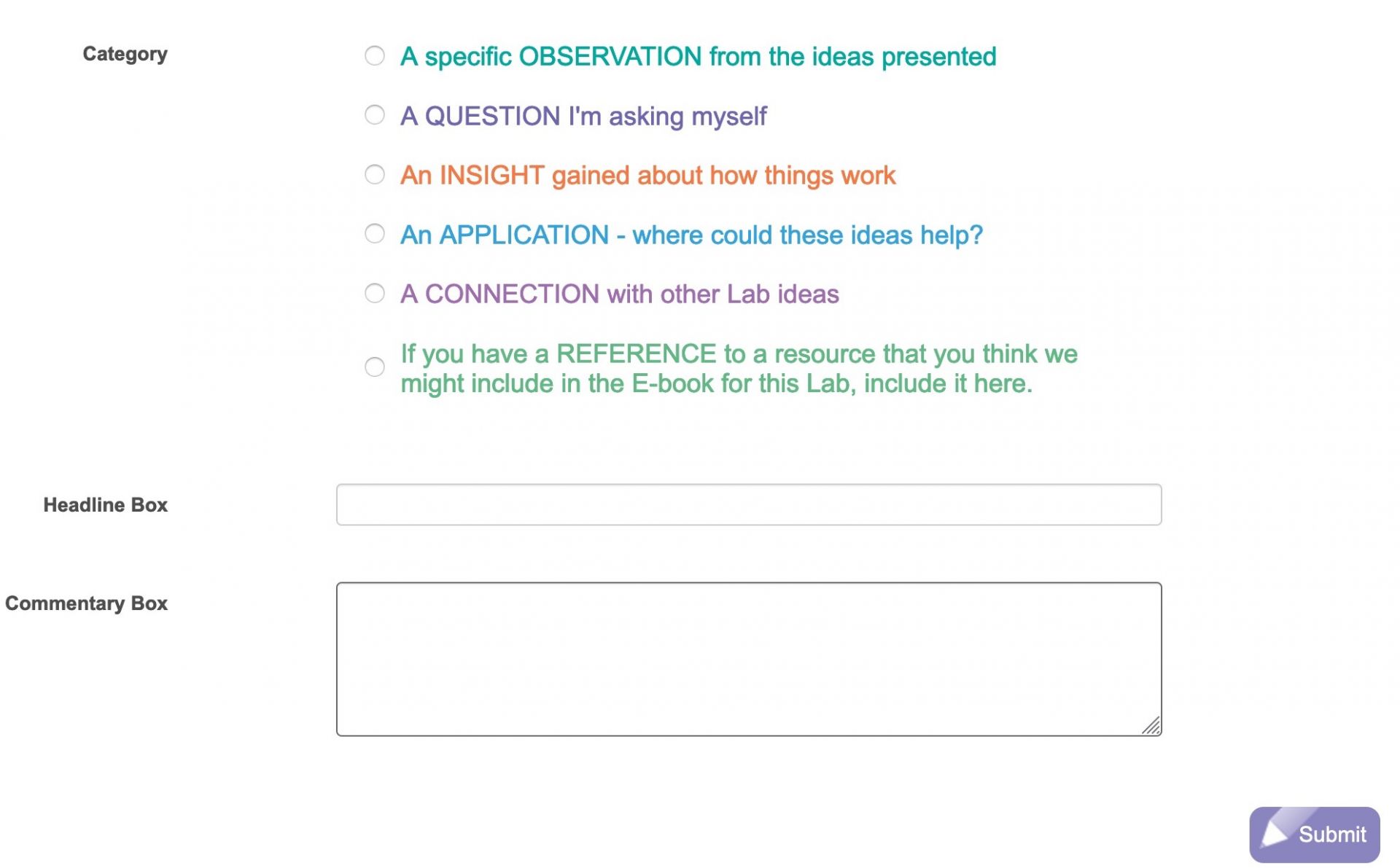
Contribute is where you select categories and enter your ideas (see below).
See Outcomes shows all ideas from all participants. Anonymously respond to any idea.